High-Performance Coconut Carbon


We do not use standard coal-based charcoal. We use High-Performance Coconut Shell Activated Carbon—a renewable, hyper-porous material that acts as a magnet for toxic chemicals.Here is the science behind why coconut carbon is the gold standard for modern water filtration.

Not all carbon is created equal. The effectiveness of a carbon filter is measured by its Surface Area and Pore Structure.

Cheaper filters often use Bituminous Coal. While coal carbon is good for removing color and large particles, it lacks the precision needed for dangerous chemicals.
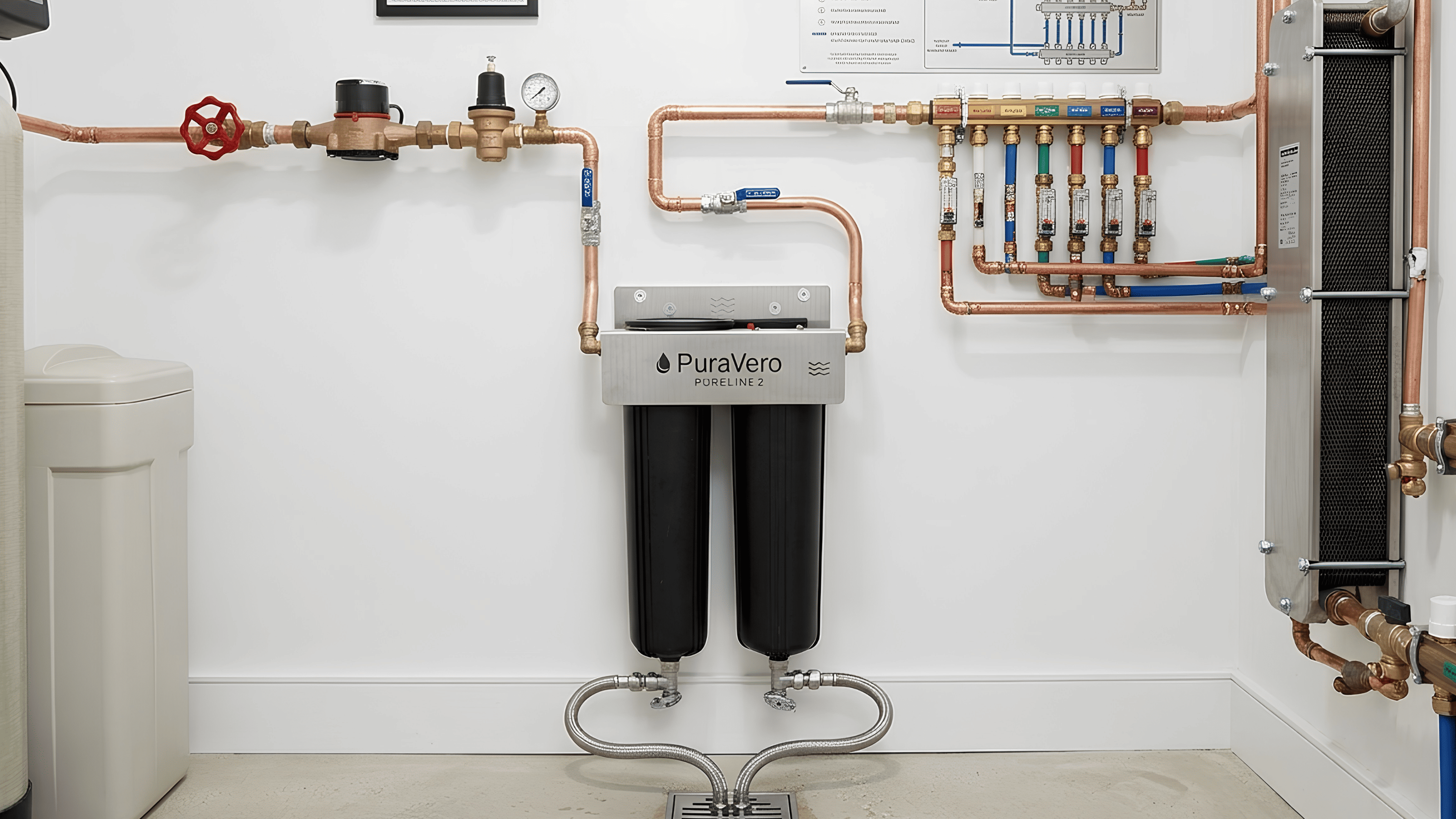
Scientists use the "Iodine Number" to measure a carbon's ability to trap small molecules.
Standard Coal Carbon
PuraVero Coconut Carbon
This higher number confirms superior density of micropores, ensuring better removal of dissolved chemicals.
Coconut carbon works through Adsorption (not absorption). It acts like a chemical magnet. As water flows through the millions of micropores, contaminants are pulled out of the water and bonded to the carbon surface.
- Volatile Organic Compounds (VOCs)
- Disinfection Byproducts (DBPs)
- PFAS ("Forever Chemicals")
- Chlorine and Chloramine
We combine this High-Performance Carbon with our Salt-Free Conditioners to give you a complete "Whole House" solution.
Removes the chemicals your skin absorbs in the shower, Removes the chemicals your skin absorbs in the shower, and Made from 100% renewable coconut shells, not mined coal.